
Week 03 - Character Animations & Prototype
Animating MiniKin
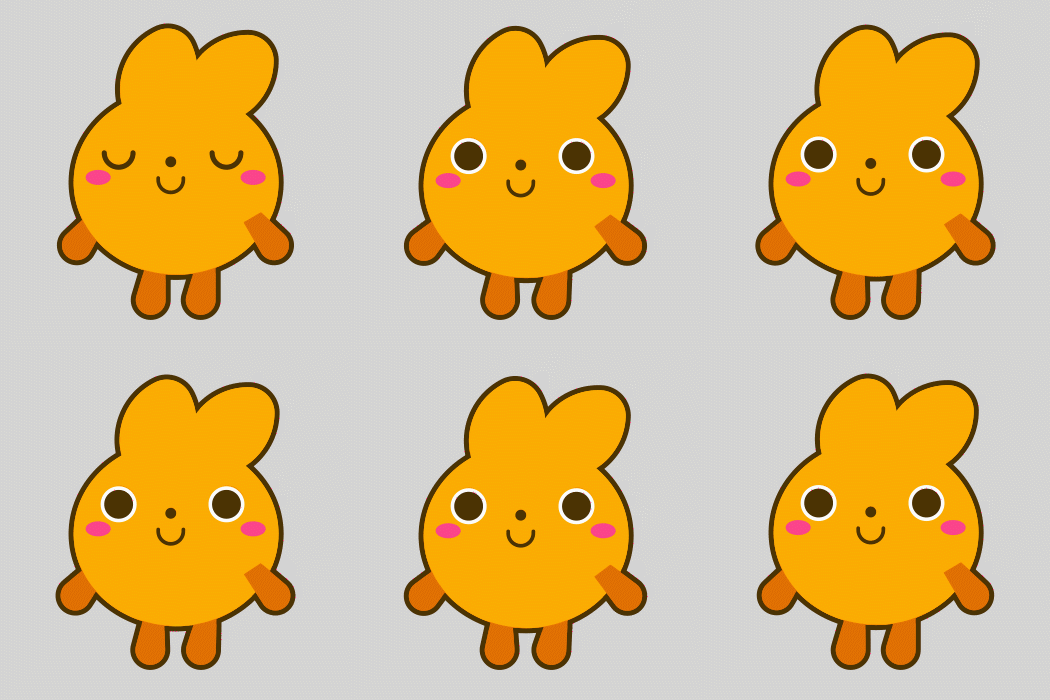
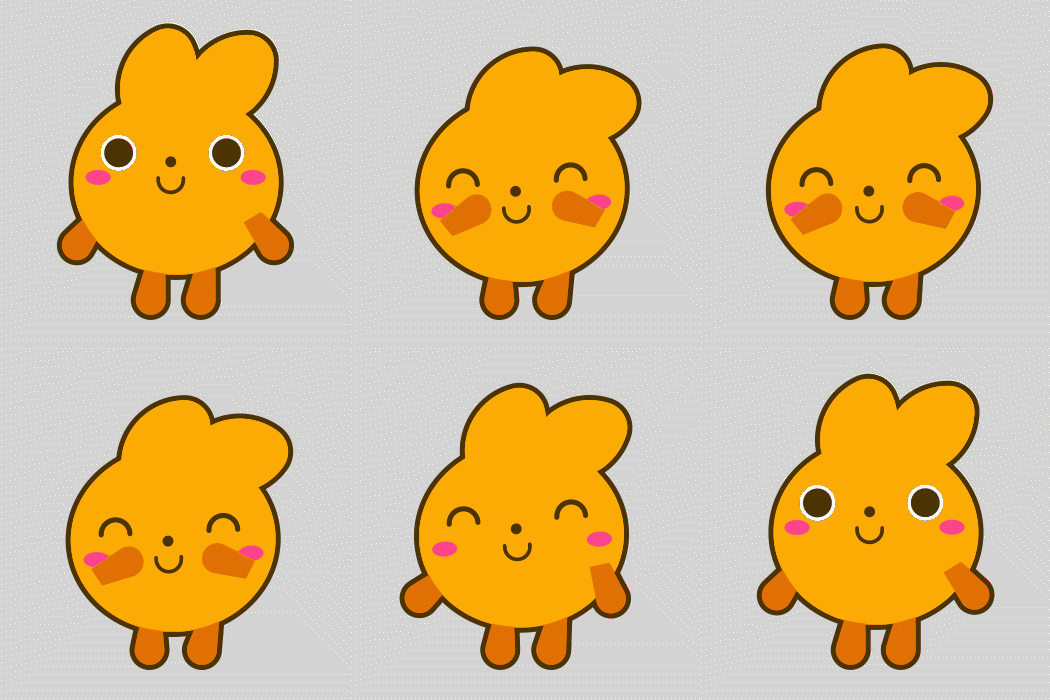
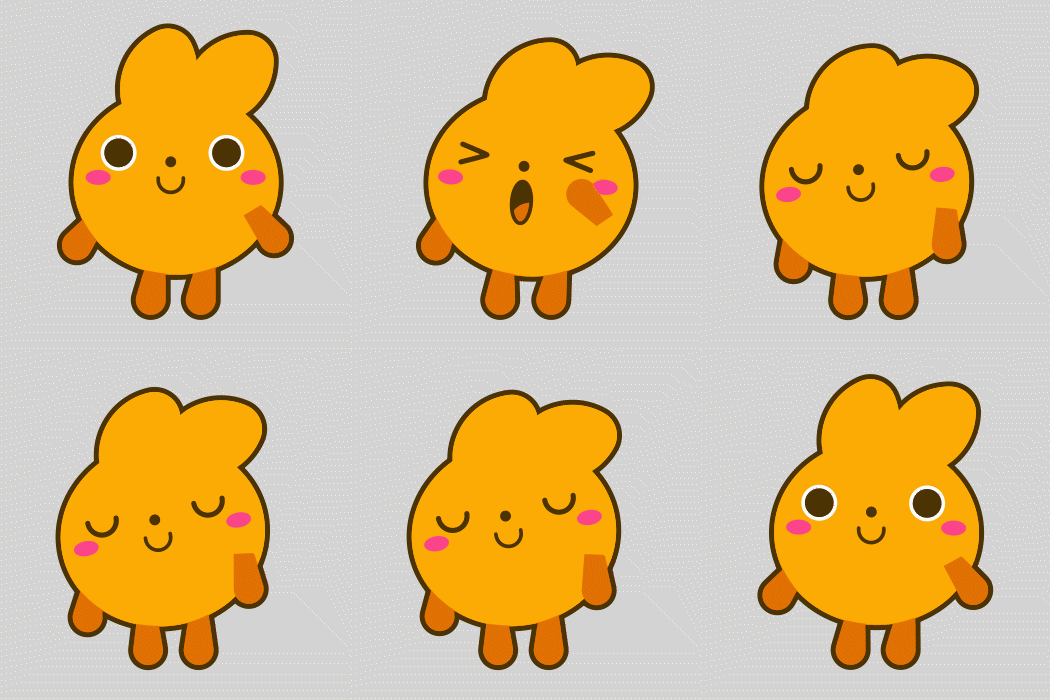
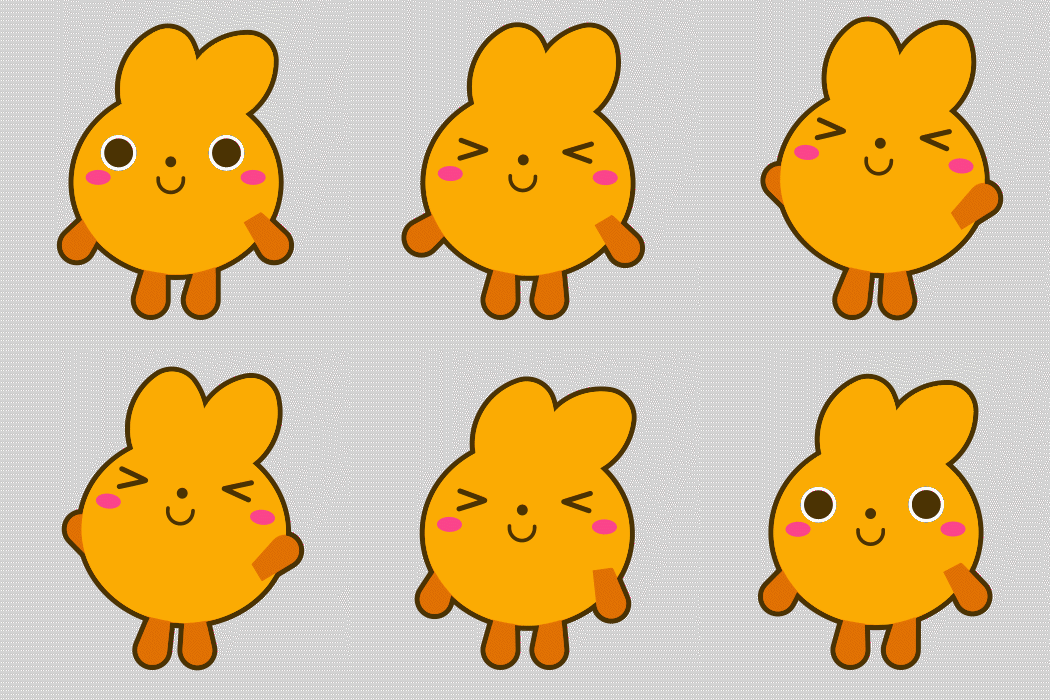
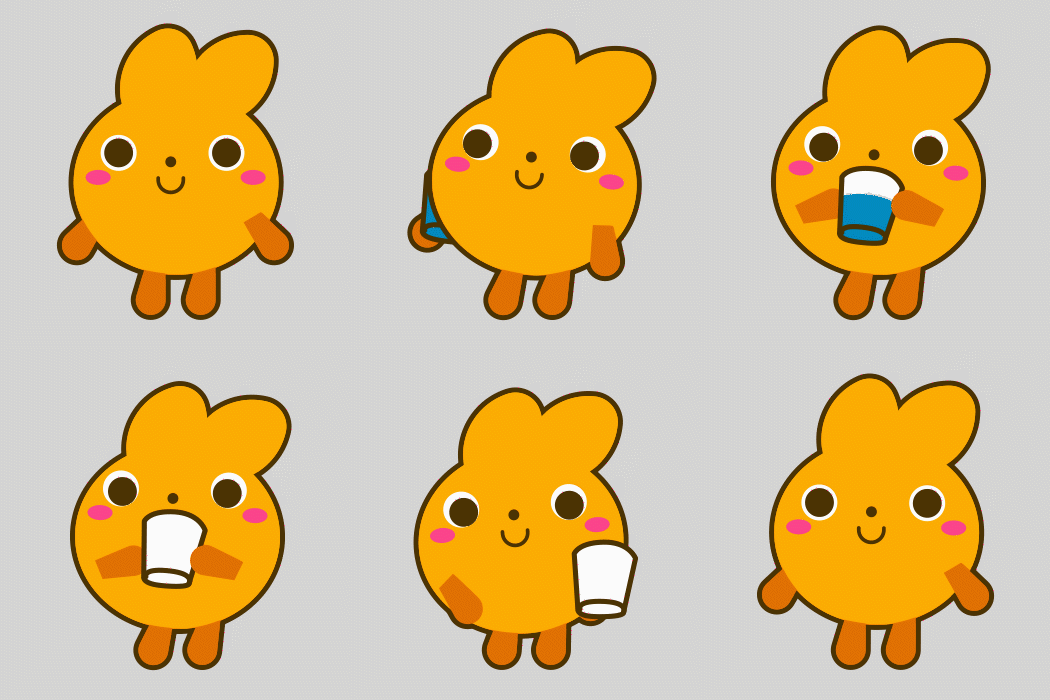
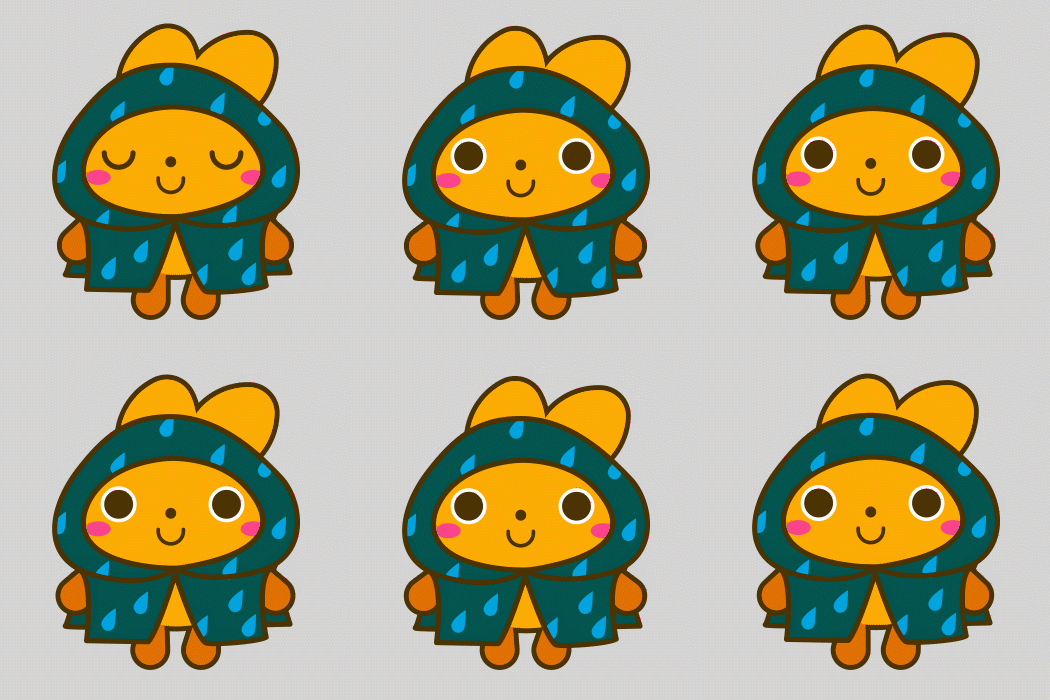
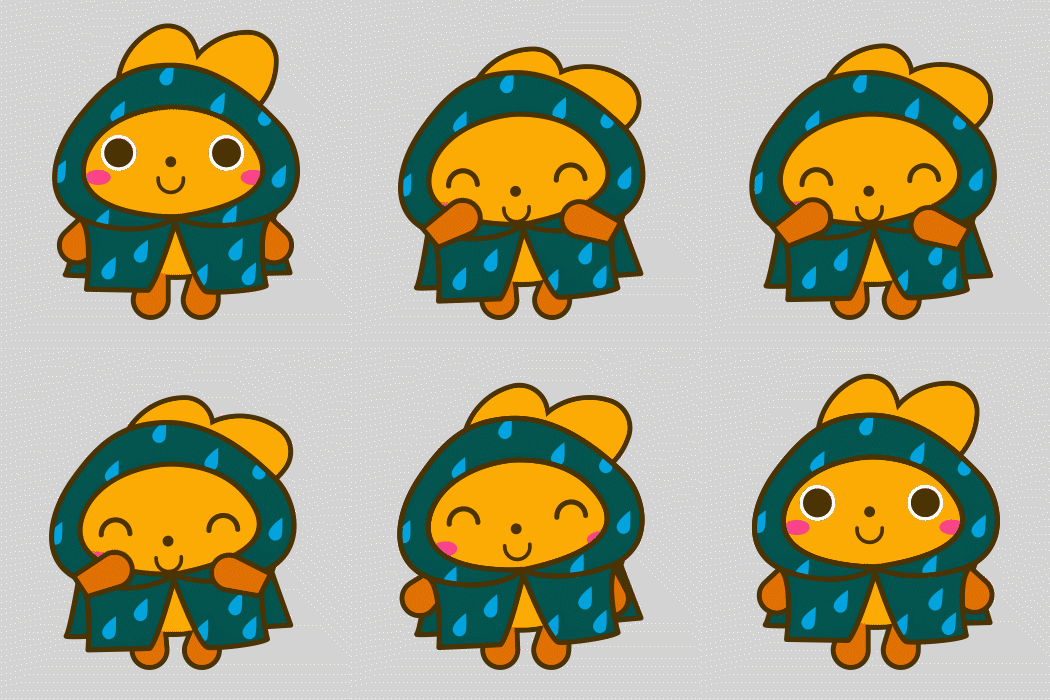
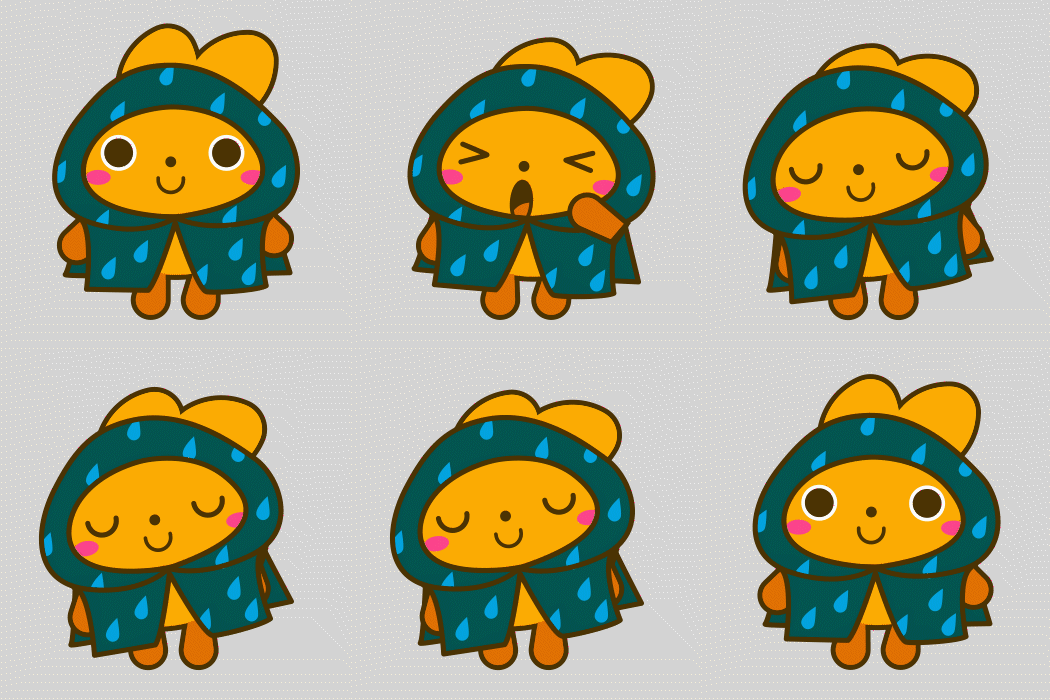
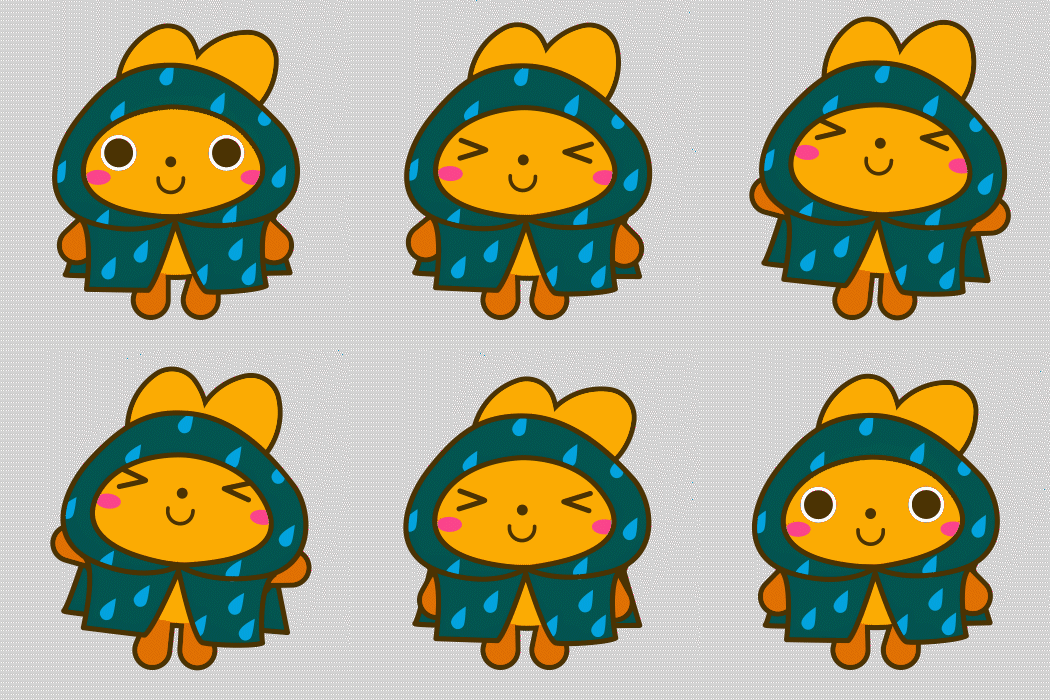
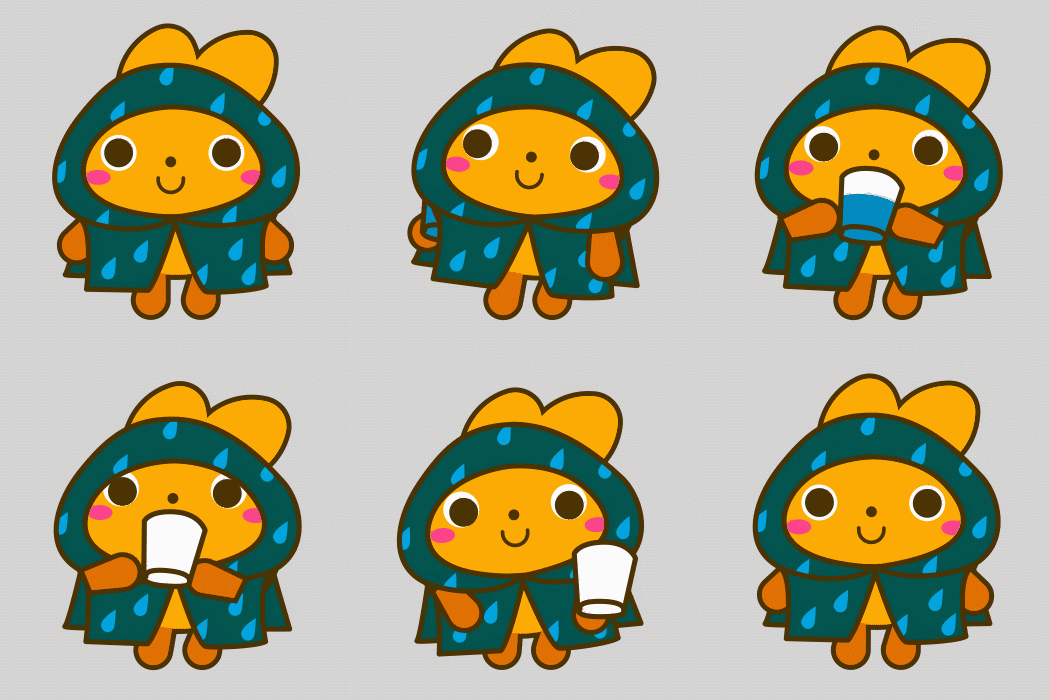
This week, I worked on animating the MiniKin, remembering M’s words where cuteness should be the core of MiniKin, I strove to make the MiniKin as endearing as possible!
Groovy
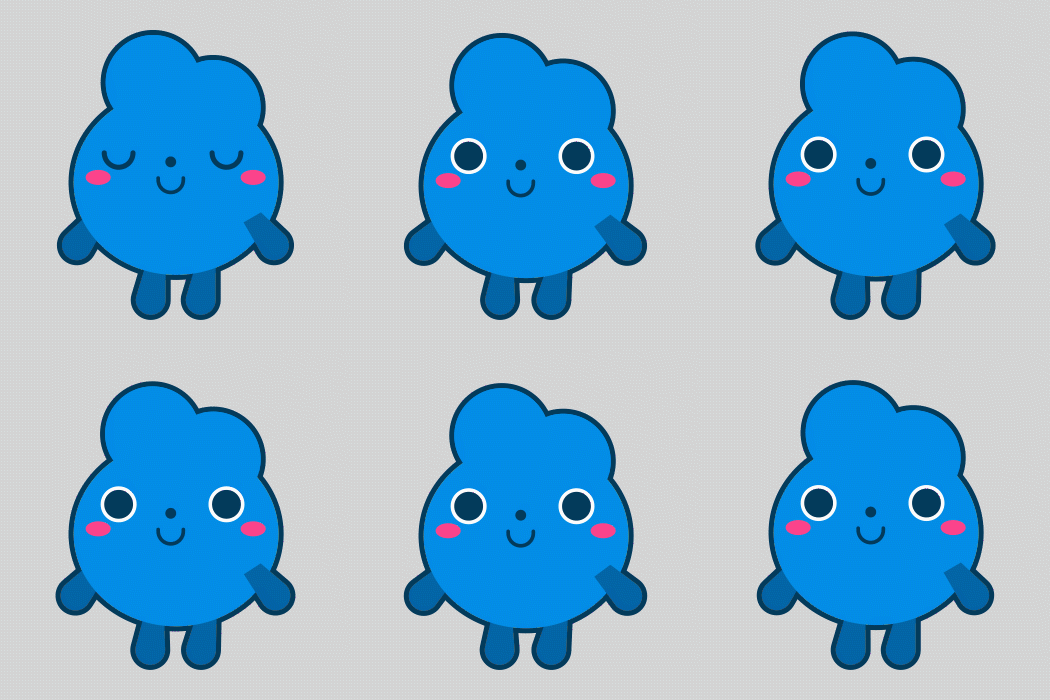
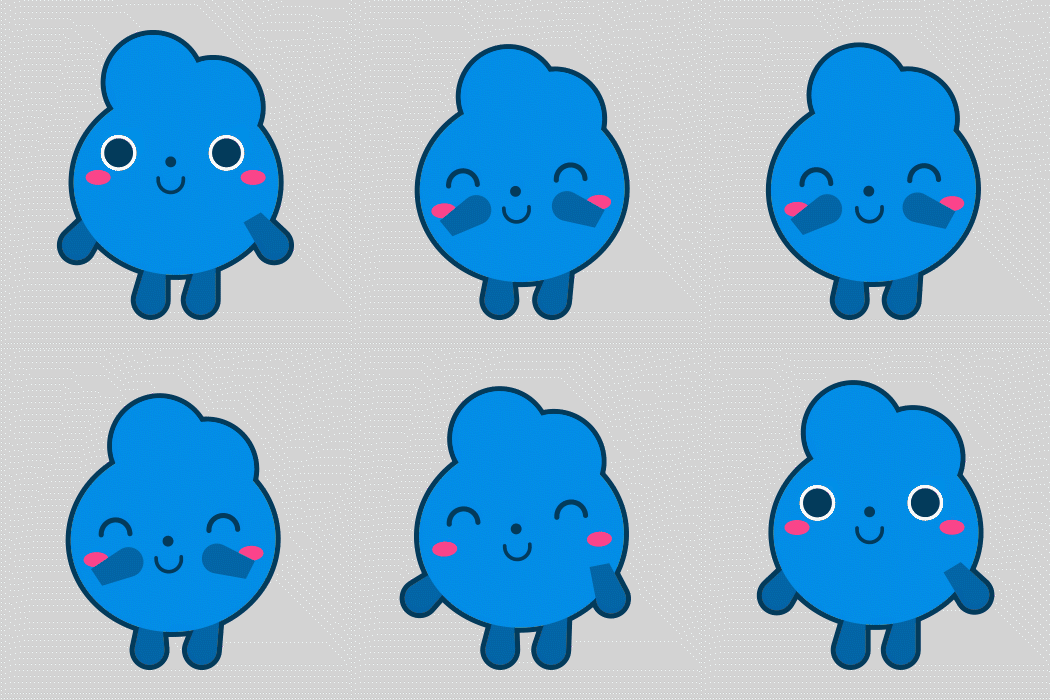
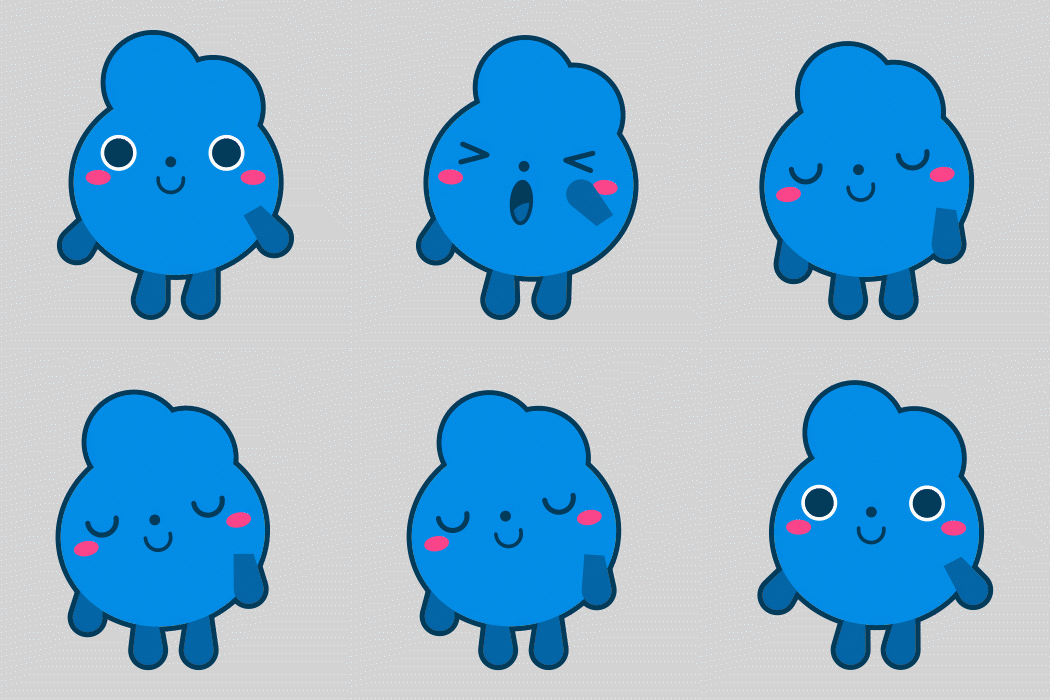
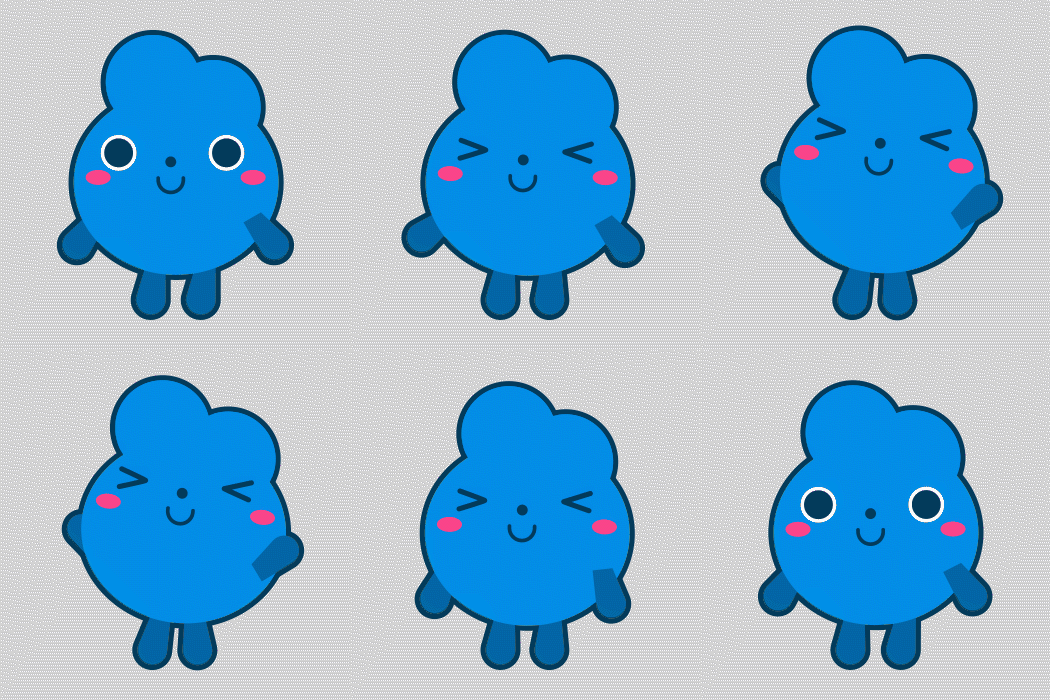
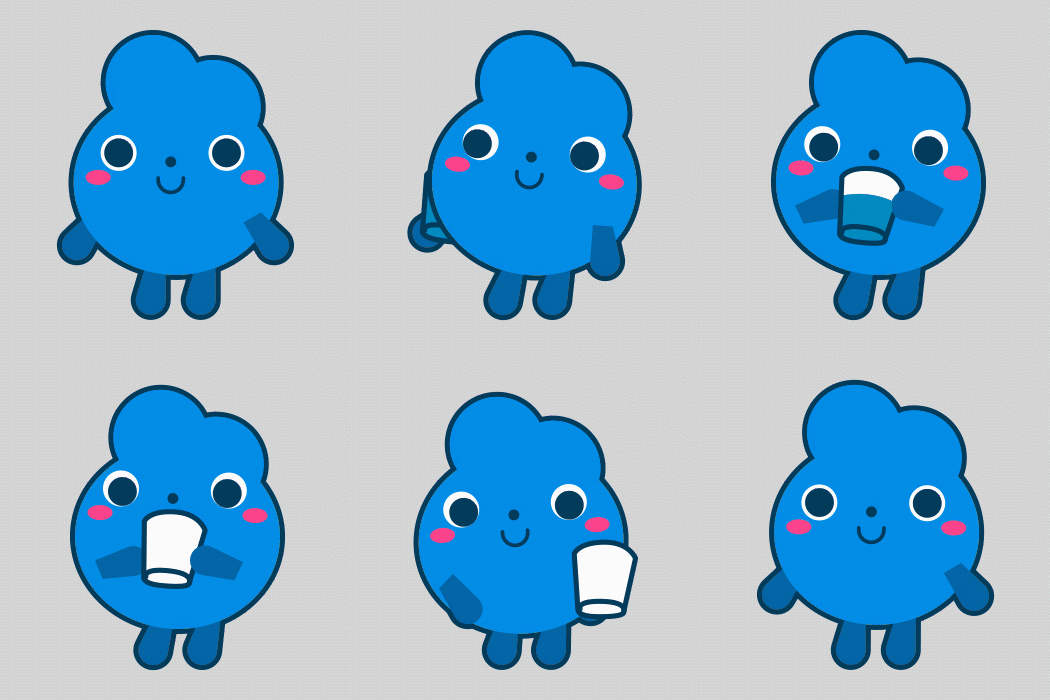
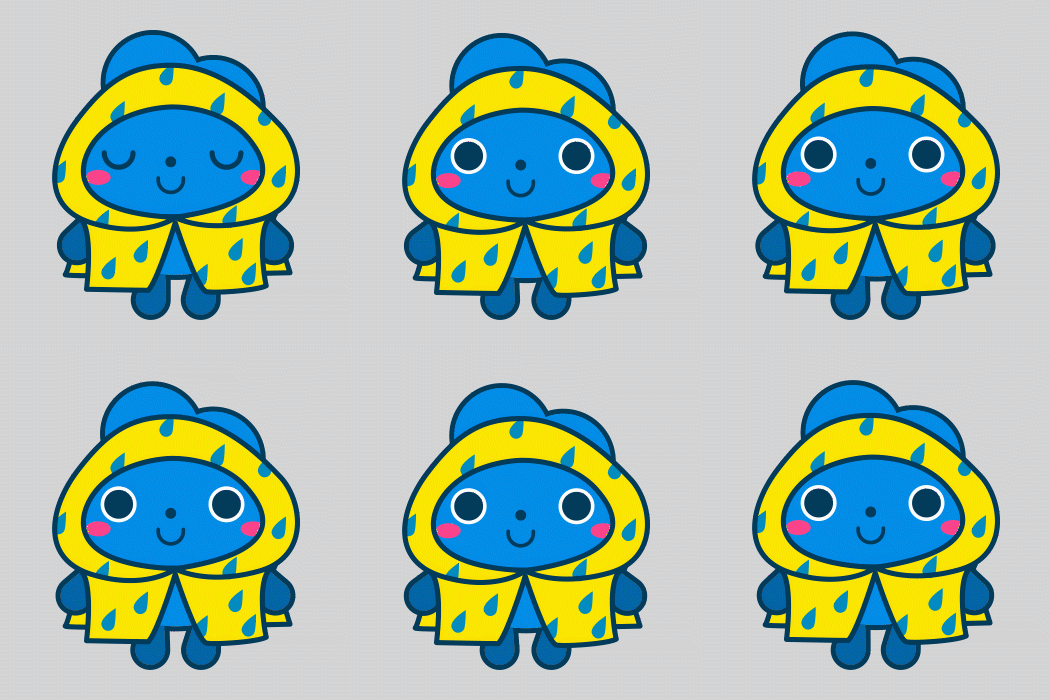
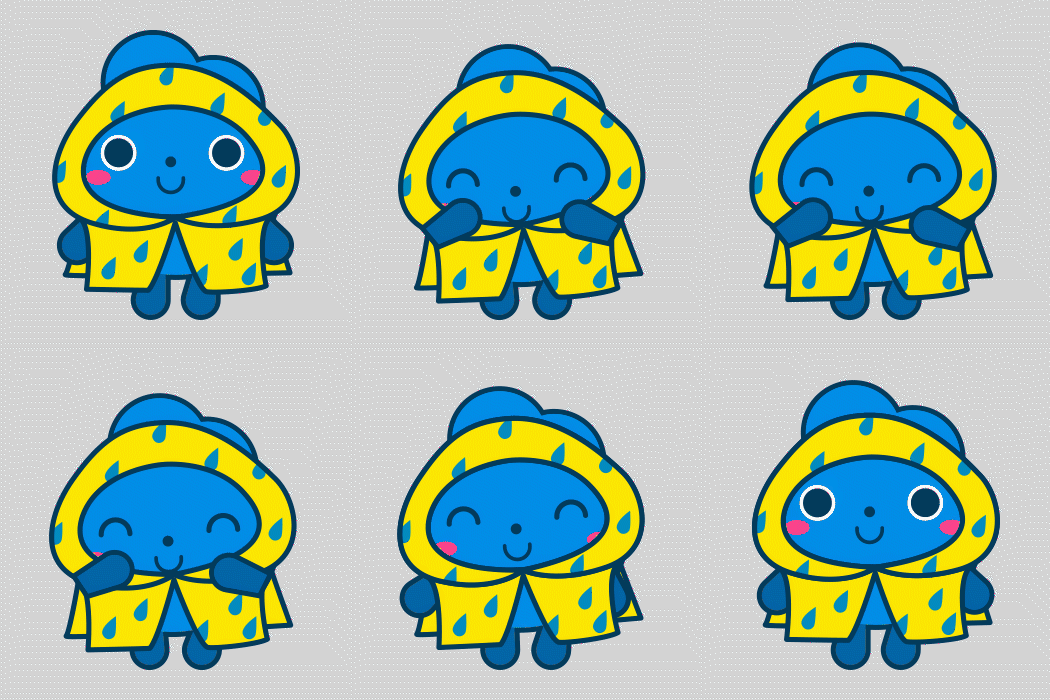
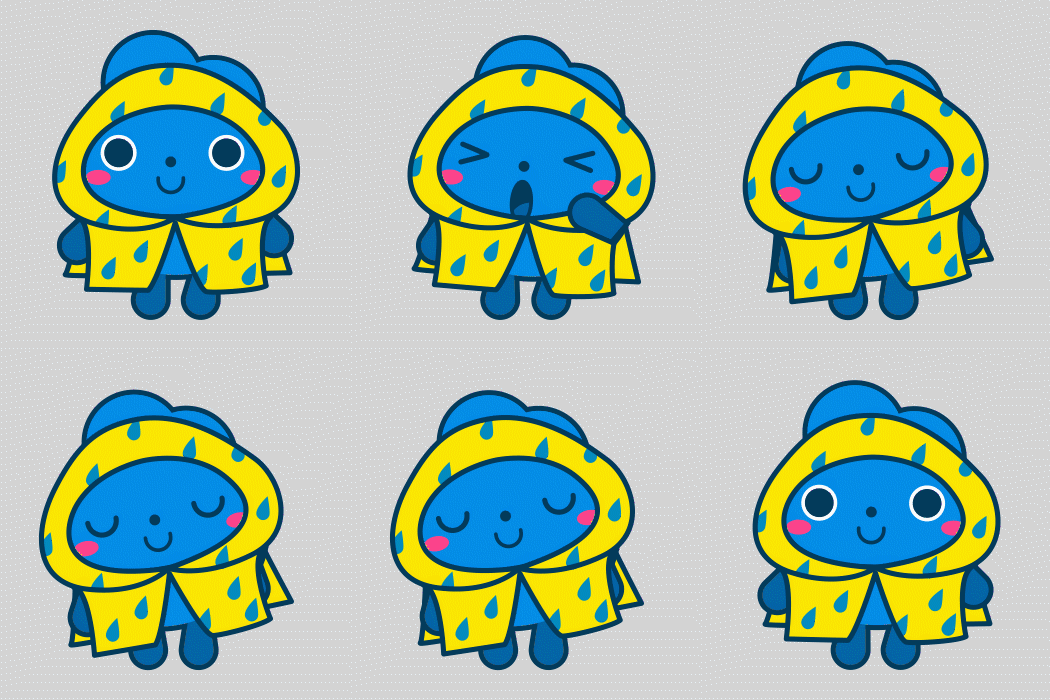
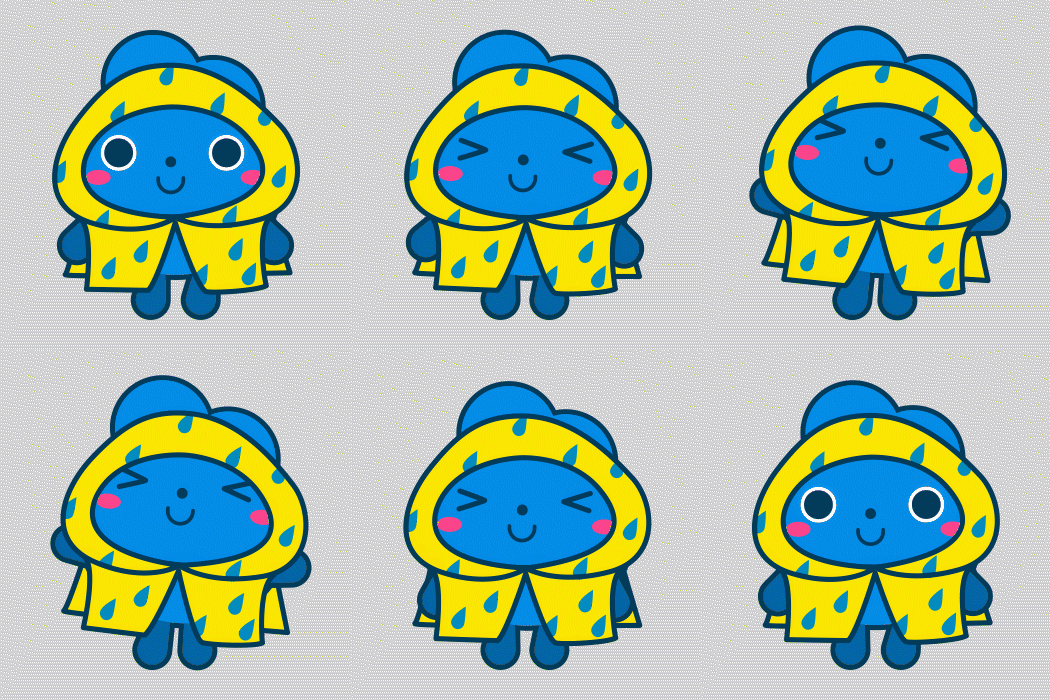
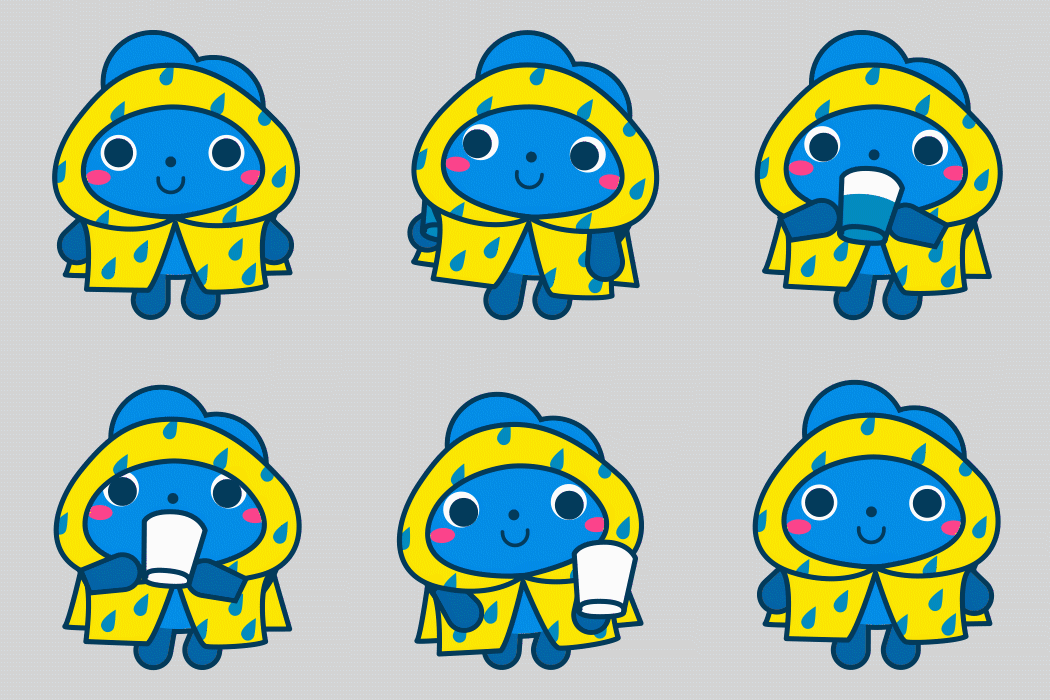
Turnip
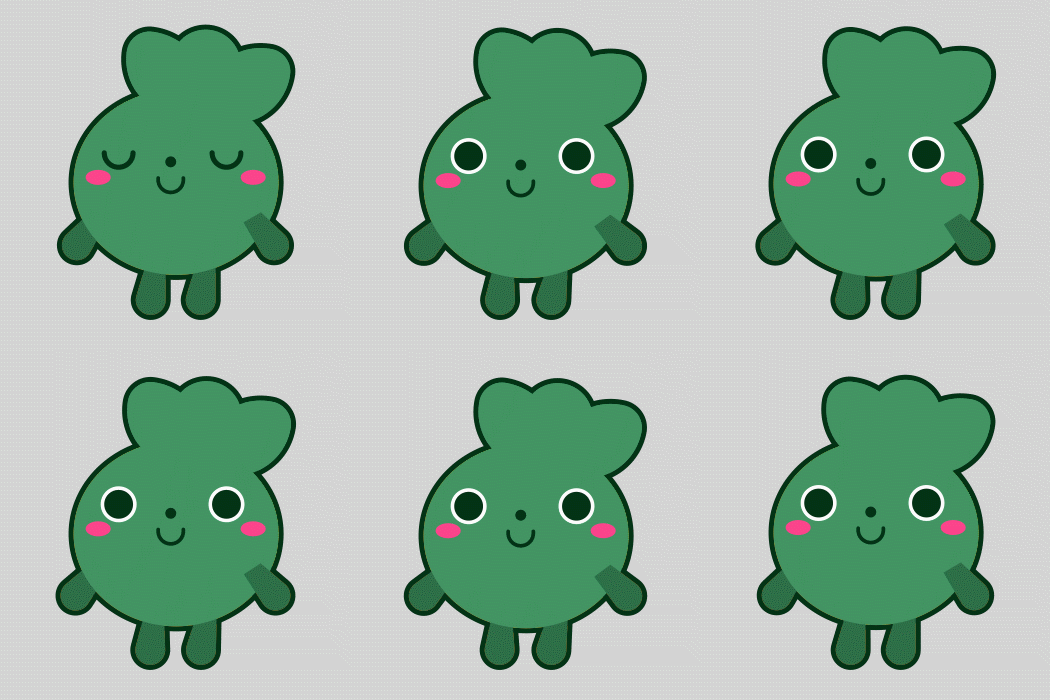
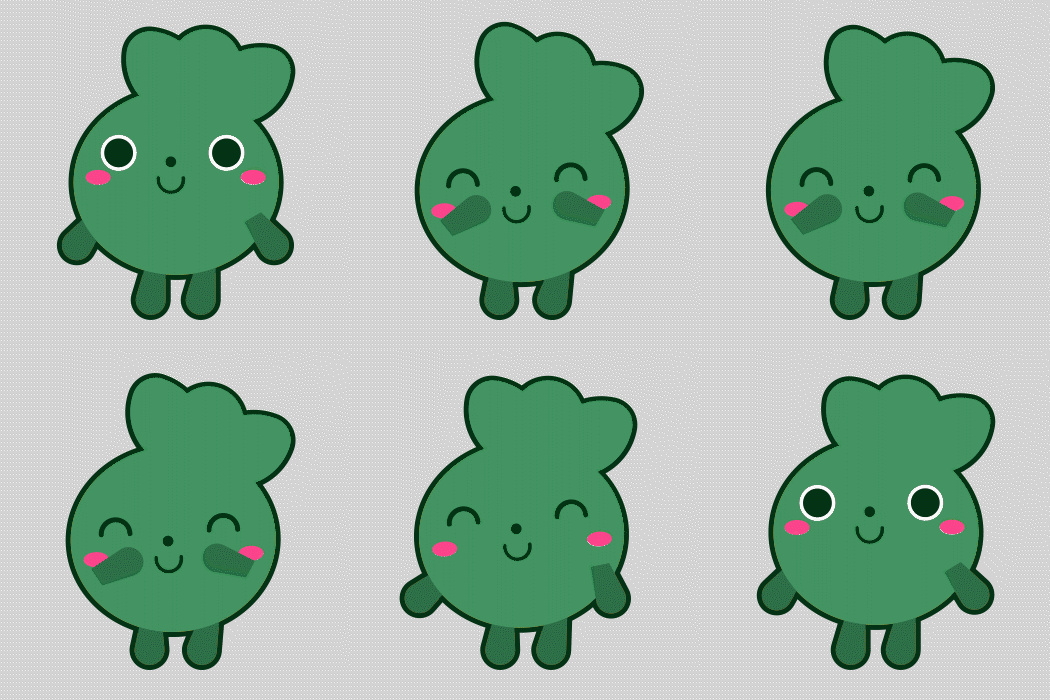
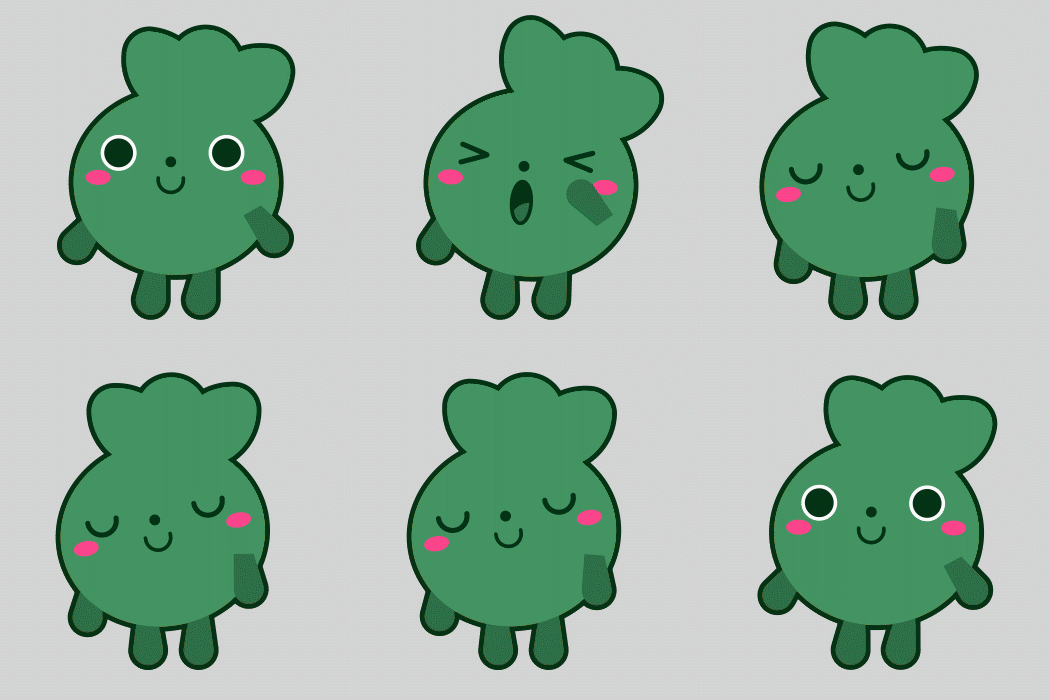
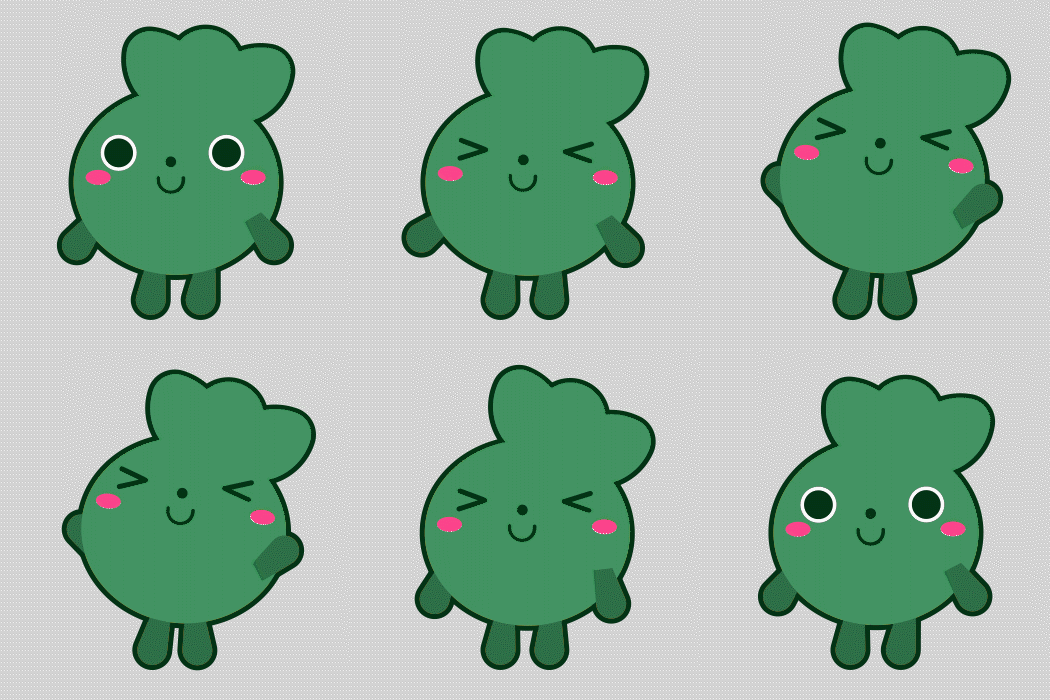
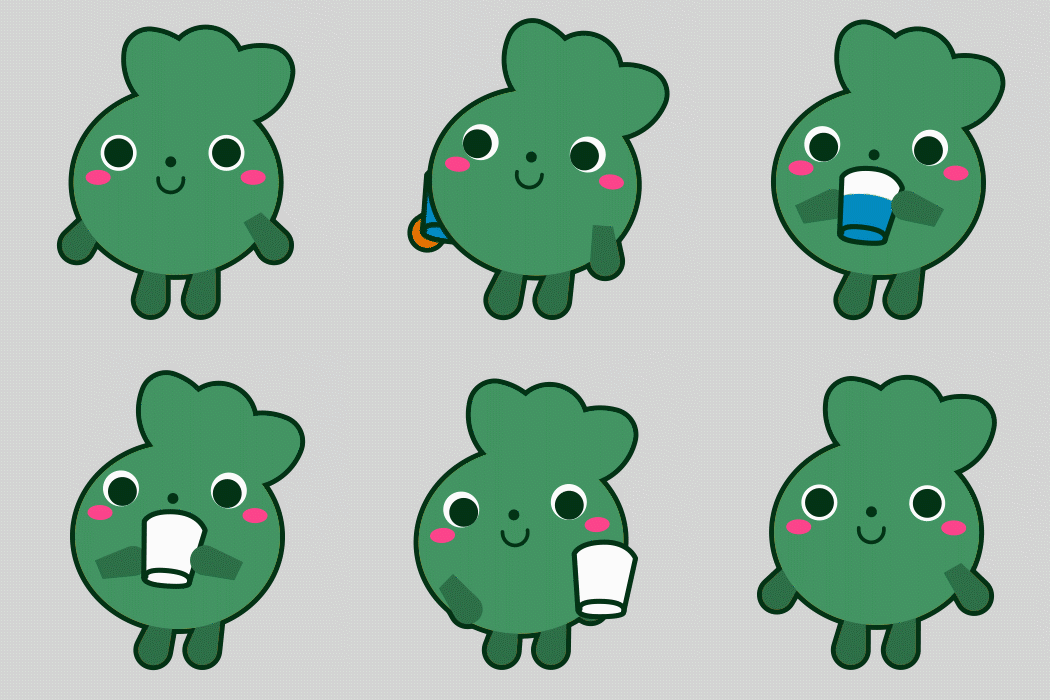
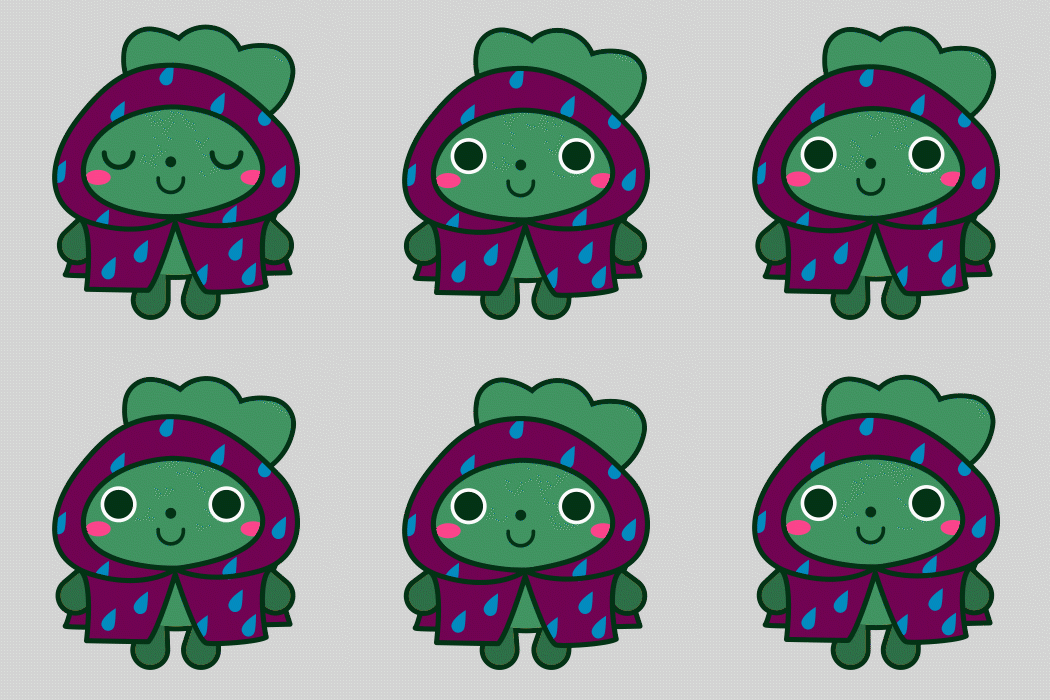
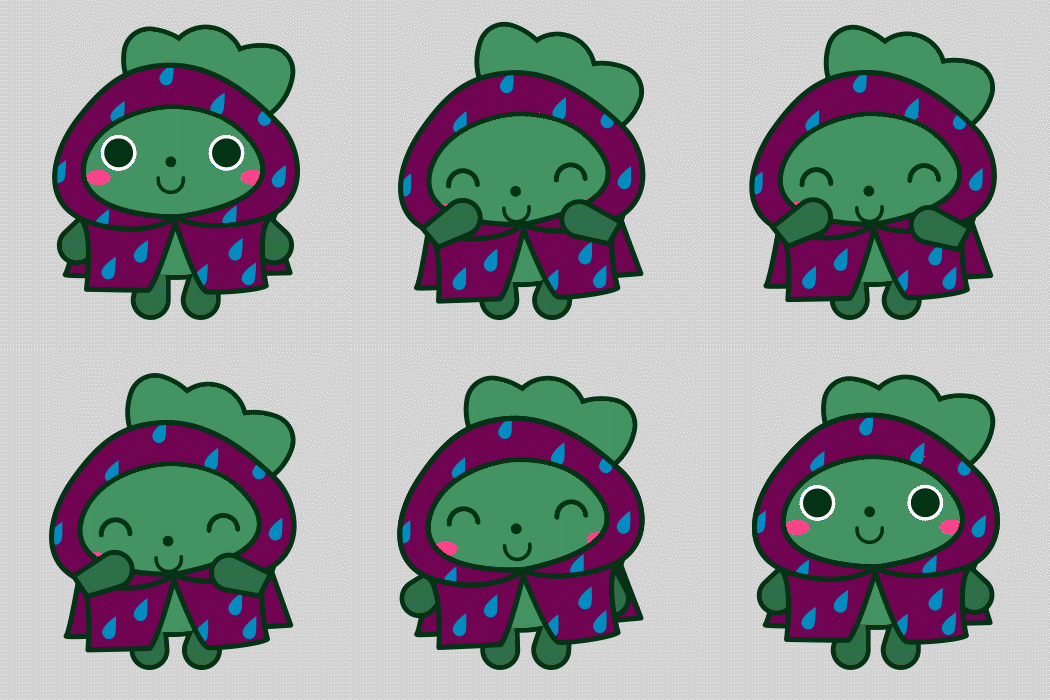
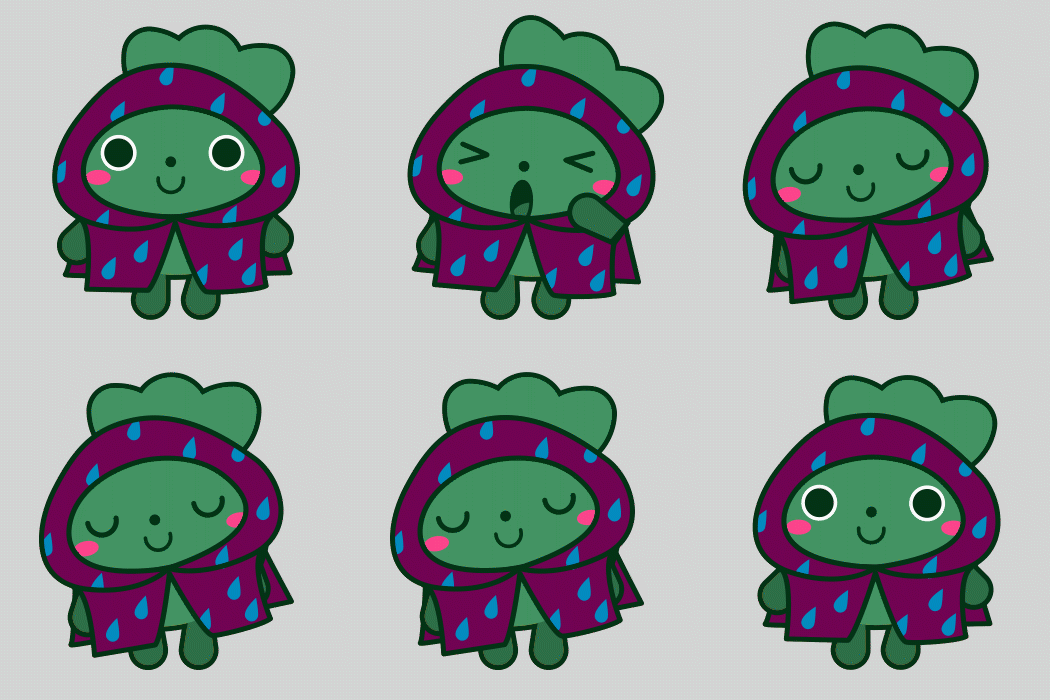
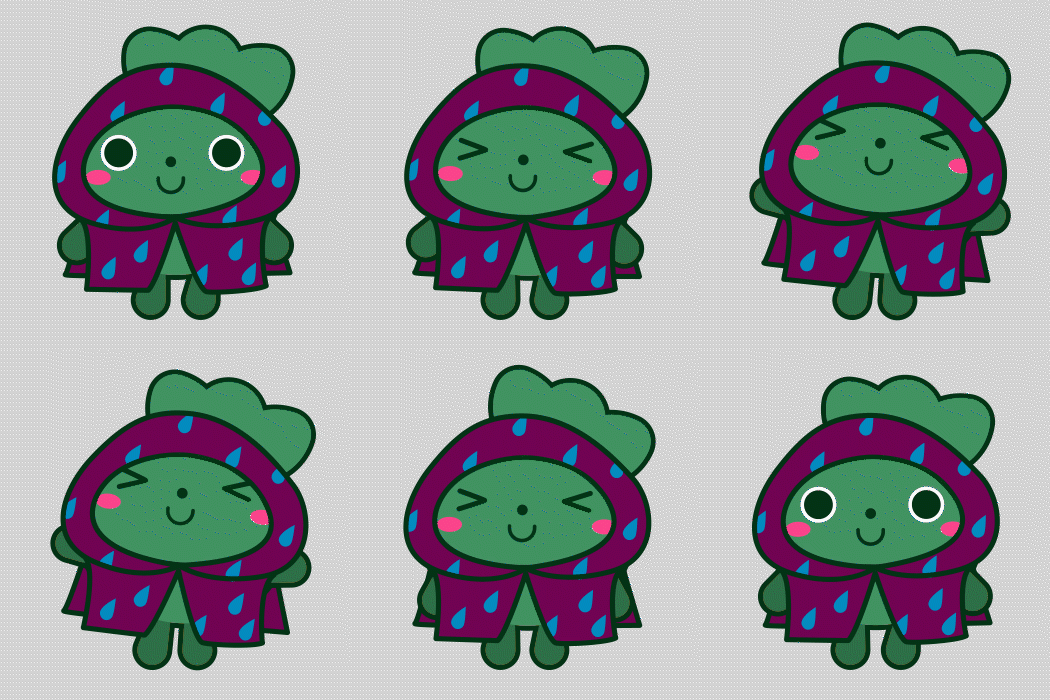
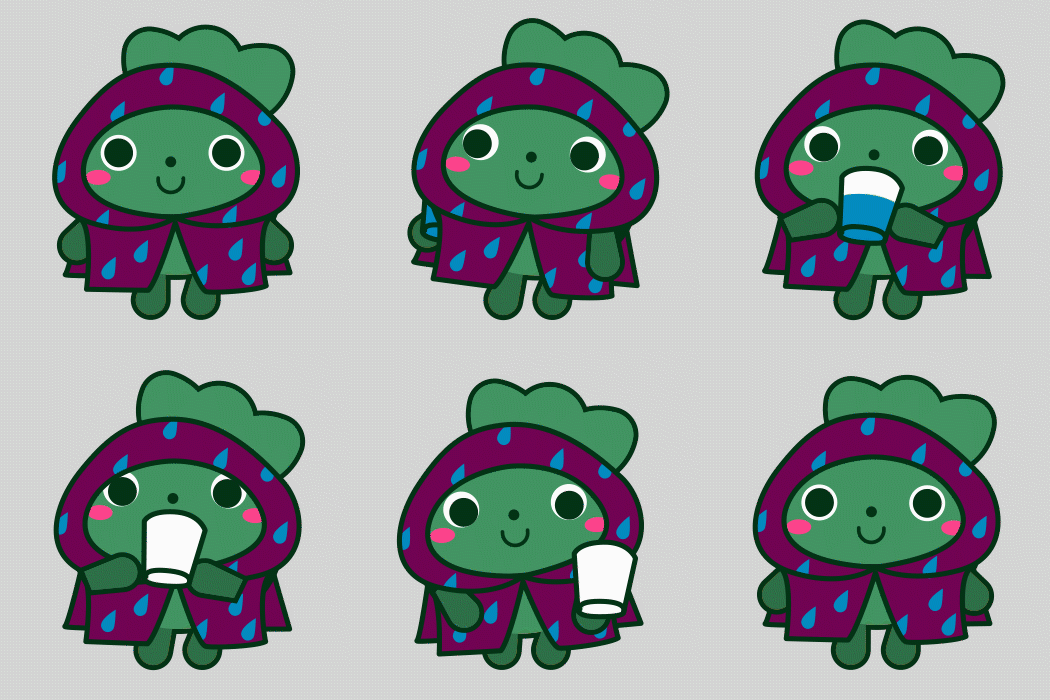
Hopper
Prototype
Shown below is a prototype showcasing how MiniKin would look like on the desktop. It is an audio-guided walkthrough on how MiniKin can be interacted with. It also showcases MiniKin’s abilities and features.
How does MiniKin fit in with other work in a similar vein?
How is my contribution unique?
Since its conception, virtual pets have always been seen as digital versions of the pets of the real world. We care for it, and in return and it provides us companionship. As stated by Dodd et al. in their article, Purr-ogrammed love: A narrative review of virtual pets, “A virtual pet can be defined as a software-simulated creature, often displaying some level of autonomy, that ultimately relies upon the user who engages with it. The virtual pet provides positive or negative feedback or described well-being in relation to received input – further implying the role of responsibility towards the user.”
Some examples of virtual pets are Tamagotchi (1996), which is a digital pixelated creature that lives in a small egg-shaped device, and Nintendogs (2005), a Nintendo DS game where the user raises virtual puppies. Such virtual pet games all follow the same model: Care for the pet, and the pet will react based on the care received.
In other words, traditional virtual pets depend on their users. MiniKin redefines this care dynamic by shifting virtual pets from dependent digital creatures to independent companions that support the user through ambient, implicit interaction. While users can still engage in familiar acts of care, such as patting, MiniKin also cares for the user in return. An example of how MiniKin expresses such care is by stretching every 30 minutes as a subtle cue for the user do the same. Through MiniKin, care becomes shared rather than one-sided, introducing a mutual form of companionship.
How does MiniKin build off of other’s work?
MiniKin builds upon the foundation established by the traditional virtual pets before it. It retains three key factors that virtual pets rely on when it comes to establishing emotional connection with its users: behavioral consistency, presence and responsiveness.
Firstly, in terms of behavioral consistency, MiniKin maintains familiar and predictable interactions. Just like how the digital puppies in Nintendogs eagerly run toward the user upon their return, MiniKin happily greets the user every time the user engages with them. These repeated behaviors create a sense of familiarity and fosters attachment over time.
Secondly, similar to Tamagotchi, which remains consistently accessible through its portable egg-shaped device, MiniKin maintains a constant presence on the user’s desktop. It does not disappear between interactions, instead remaining at the corner of the desktop as a quiet, comforting presence that is always available when the user chooses to engage with them.
Lastly, MiniKin retains responsiveness, reacting positively to pats from the user, echoing the same affectionate responses displayed by the digital puppies of Nintendogs.
